Press Enter to search
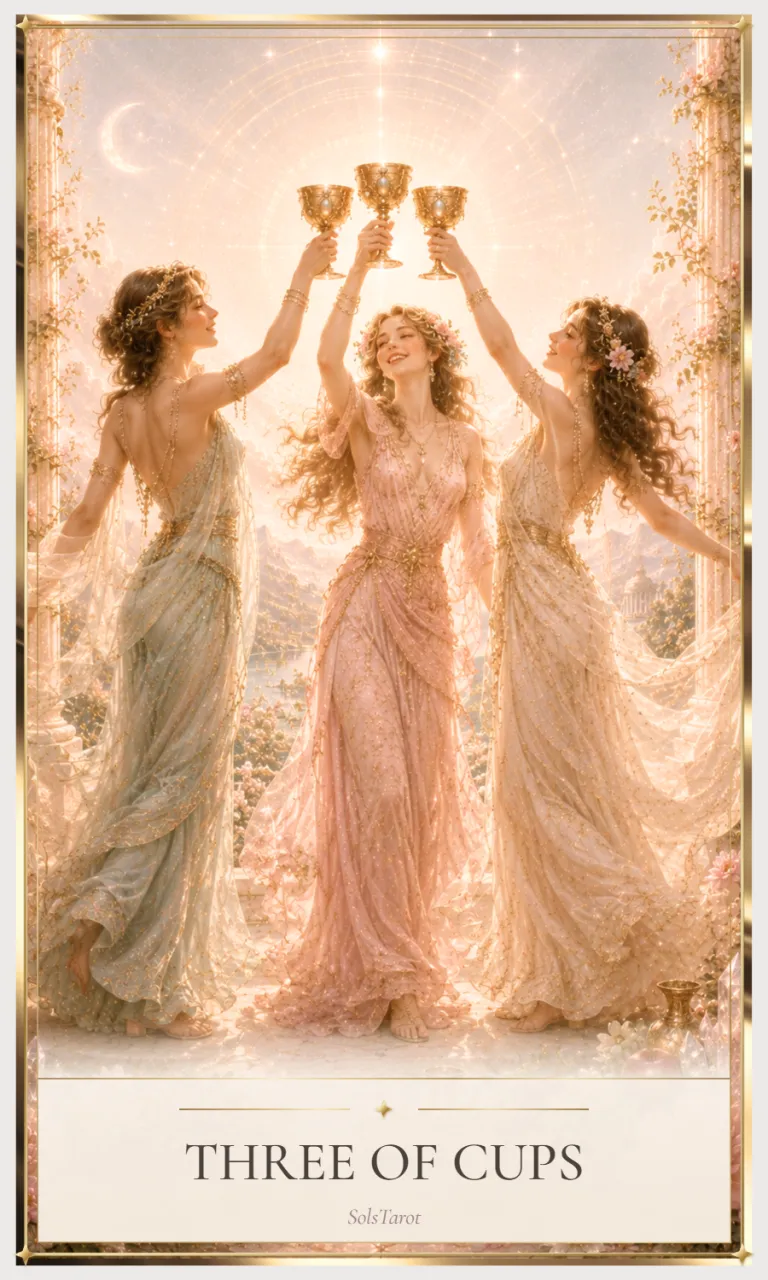
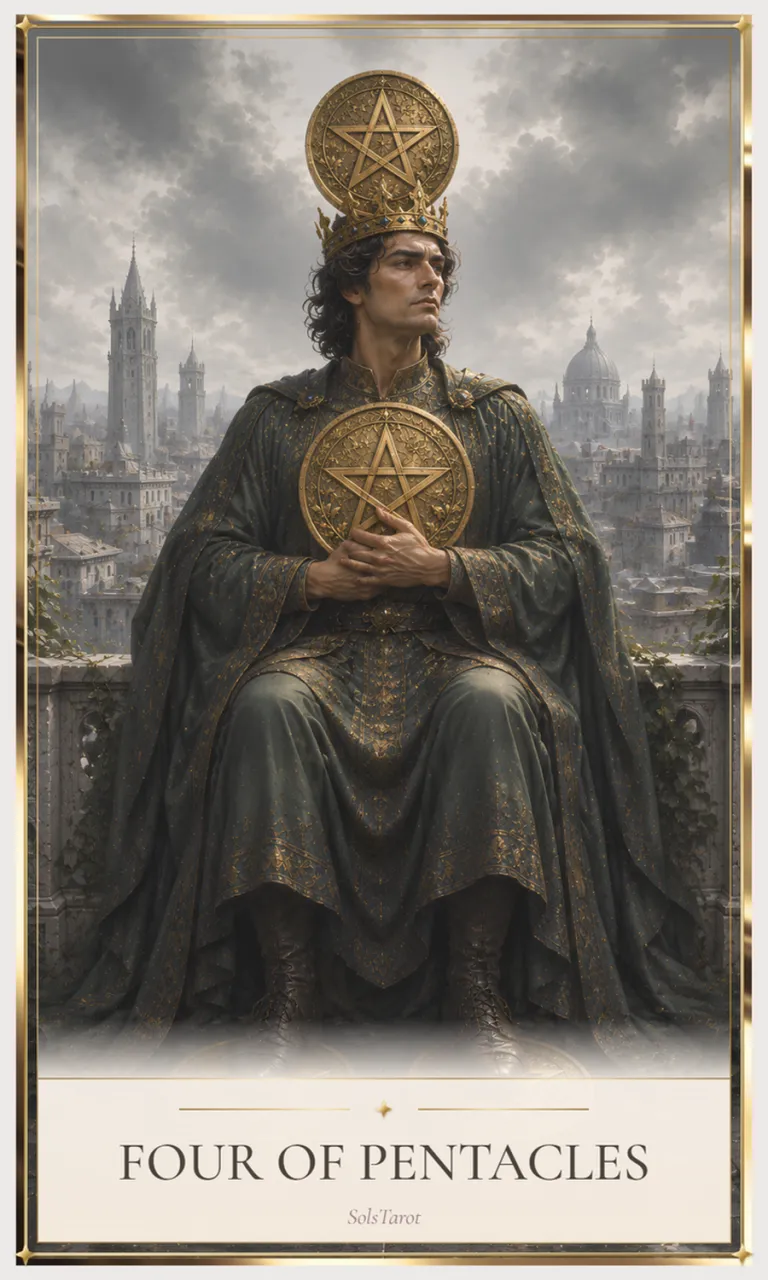
This reading unites Three of Cups and Four of Pentacles — two cards whose meanings deepen when they appear side by side. Explore each card’s full meaning, then read how they speak together in love, career and spirit.
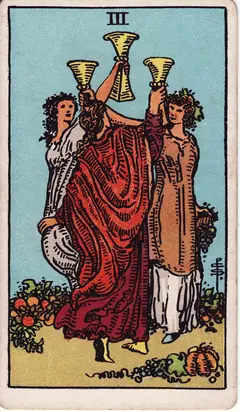
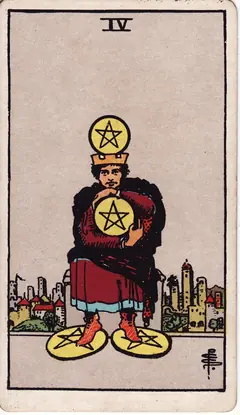
The Classic Deck
Three of Cups and Four of Pentacles in the 1909 Rider–Waite
The deck most readers start with — and the one our meanings are built on.
Affiliate link · how it supports SolsTarot
The Three of Cups brings celebration and joyful connection, while the Four of Pentacles whispers of emotional guardedness and fear of loss. In love, you may find yourself torn between opening your heart to community and intimacy, yet simultaneously wanting to protect what you hold dear. There's a beautiful tension here between the vulnerability required for deep connection and the safety found in emotional boundaries. The cups overflow with possibility for shared joy, but the pentacles suggest you might be gripping too tightly to past hurts or current securities. This combination invites you to explore how you can celebrate love while still honoring your need for emotional safety.
Your professional landscape reveals the dance between collaborative success and protective instincts around your resources and achievements. The Three of Cups suggests opportunities for teamwork, networking, and shared victories are flowing toward you, yet the Four of Pentacles may have you hesitating to fully engage or share credit with others. There's wisdom in both energies - the cups remind you that professional growth often comes through community and mutual support, while the pentacles honor your need to establish security and maintain what you've worked hard to build. You're being called to find the balance between generous collaboration and prudent self-preservation. This is a time to consider how sharing your talents and resources might actually multiply your professional abundance rather than diminish it.
The interplay between these cards reveals a profound teaching about spiritual abundance versus scarcity consciousness. The Three of Cups emanates the higher frequency of unity consciousness, where joy multiplies when shared and blessings flow freely between souls. Yet the Four of Pentacles reflects the earthly lesson of learning to value and protect your spiritual gains without becoming possessive of them. You're in a phase where your spiritual journey is asking you to examine your relationship with receiving and giving energy. The cups invite you to trust in the infinite nature of divine love and support, while the pentacles ground you in the practical wisdom of maintaining healthy spiritual boundaries. This combination suggests you're learning to be both open-hearted and discerning in your spiritual practices and connections.
You stand at a crossroads between expansion and contraction, and both paths hold important medicine for your soul's growth. The Three of Cups encourages you to notice where isolation or over-caution might be preventing you from receiving the gifts that community and collaboration offer. Yet the Four of Pentacles reminds you that not all openness is wise - there's profound value in knowing what to hold close and what to share freely. Consider examining your relationship with trust, both in yourself and others, and notice where fear might be masquerading as wisdom or where wisdom might be masquerading as fear. This is an invitation to cultivate discernment rather than defensiveness, and to recognize that true security often comes from finding your place within supportive community rather than building walls around your individual achievements. The greatest insight may come from asking yourself: what would it look like to be both generous and boundaried, both open and wise?
“Three of Cups opens the question — Four of Pentacles answers it.”
Every reading on this site is free. If this pairing spoke to you, a small coffee helps SolsTarot keep growing.
☕ Buy me a coffee on Ko-fiThis tarot reading is intended for reflection and personal insight. Tarot offers symbolic perspectives that may help you explore your thoughts and feelings, but it should not replace professional advice for health, mental well-being, legal matters, or financial decisions.